Heavy rainfall and poor water drainage can create serious problems for residential and commercial properties throughout the Bay Area. Water collecting around foundations, pooling in parking areas, or flowing toward building entrances can eventually cause flooding, erosion, and expensive structural repairs. A French Drain offers an effective way to manage excess groundwater by collecting it and directing it away from vulnerable areas. When properly designed and installed, this drainage solution helps control water movement, protect foundations, and reduce the risk of costly property damage.
Whether you manage a commercial facility, industrial site, or residential property, understanding how drainage systems work can help you make better decisions before water problems become major repairs. OREBEND BLDRS INC provides custom drainage system solutions designed around site conditions, water flow, and property requirements. Its services include drainage components such as trench drains, catch basins, grates, and piping systems that support effective water collection and disposal.
What Is a French Drain and How Does It Work?
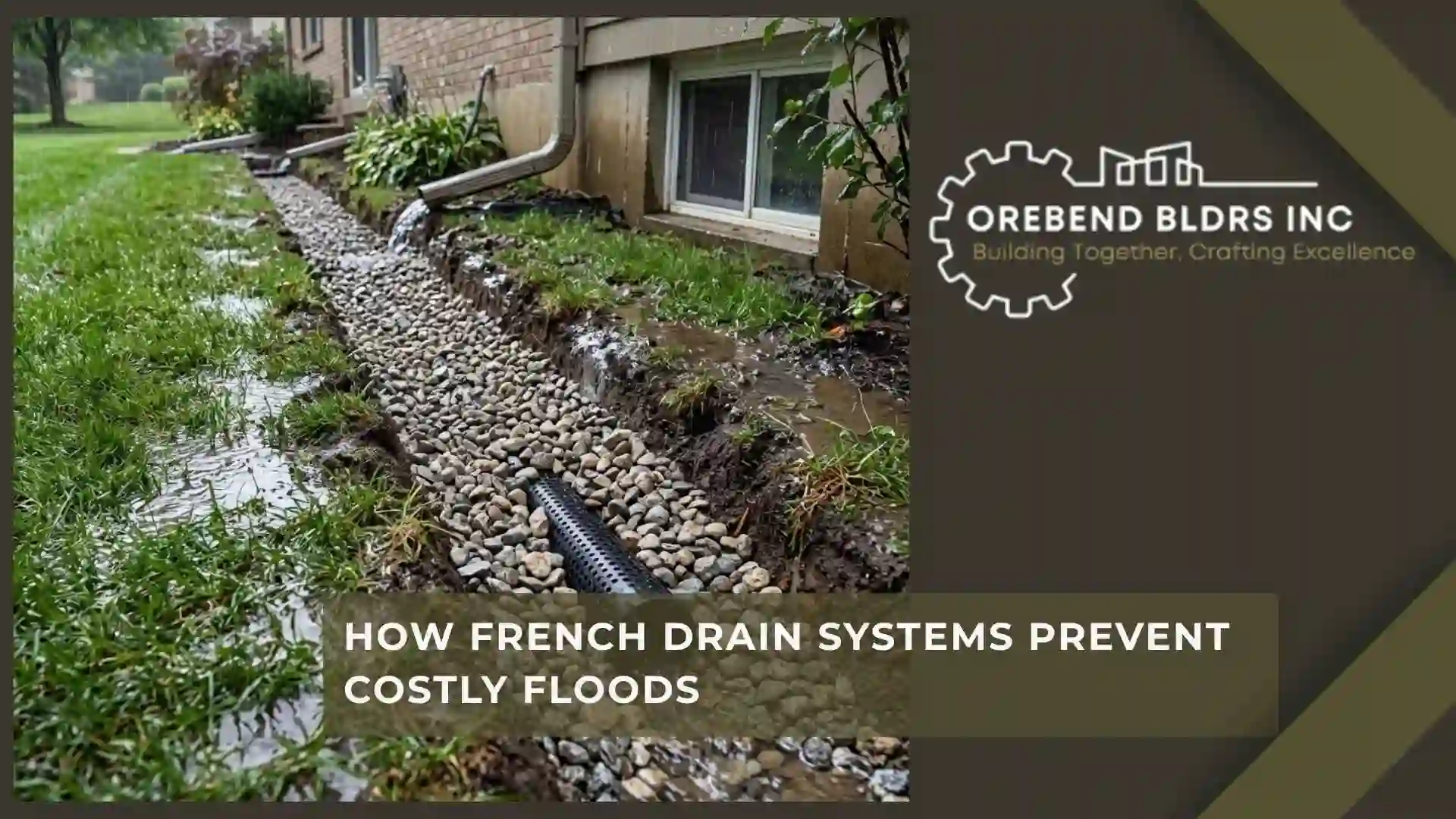
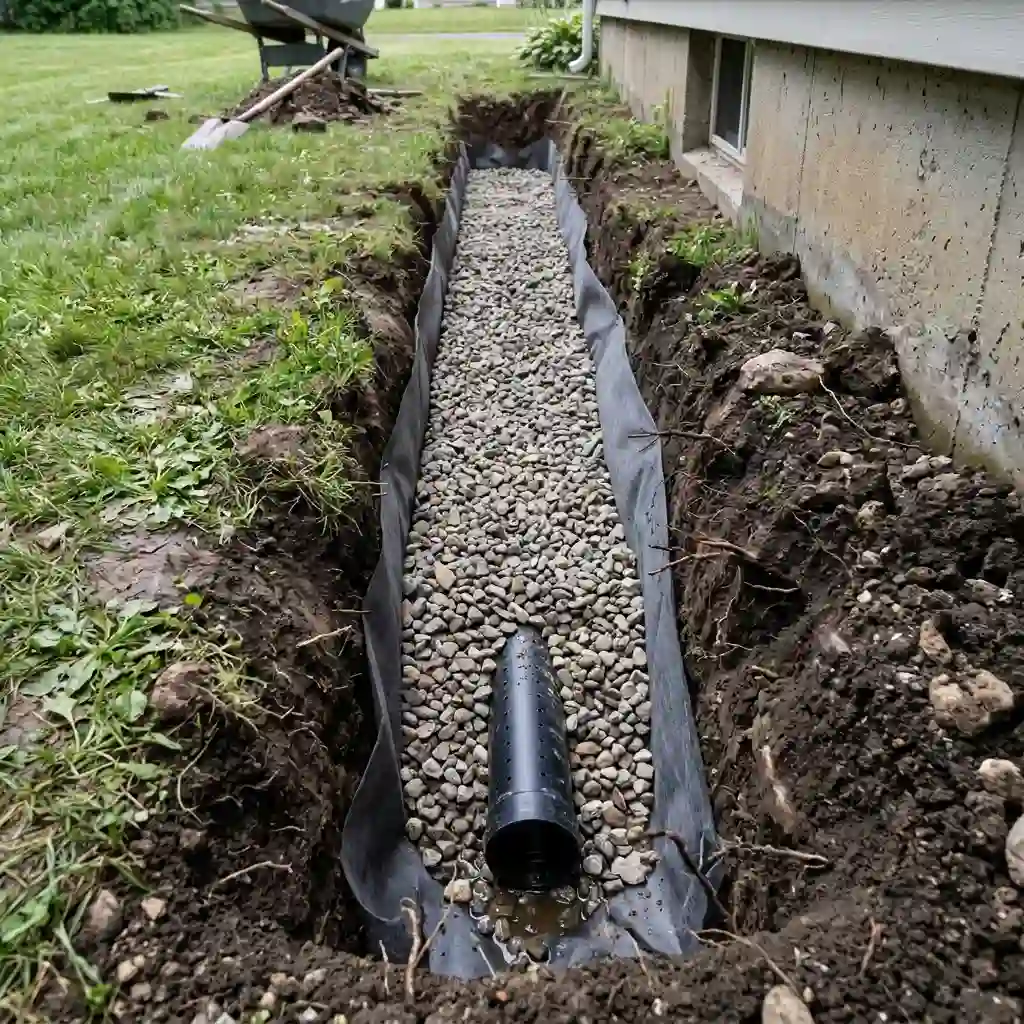
A French Drain is an underground drainage system designed to collect excess groundwater and move it away from areas where water accumulation can cause damage. A typical system consists of a gravel-filled trench containing a perforated drainage pipe. Water enters through the surrounding gravel and openings in the pipe before flowing toward an appropriate discharge location.
The system generally uses gravity to move collected water. Its effectiveness depends on factors such as trench depth, slope, soil conditions, pipe size, and the location where water will be discharged.
Unlike surface drains that collect visible runoff, a French Drain is commonly used to manage groundwater and water that accumulates beneath the ground. It can be installed near foundations, in low-lying yard areas, or along other locations where excess moisture creates problems.
How French Drain Systems Prevent Costly Floods
Flooding can affect a property in several ways, from damaging landscaping to allowing water into buildings. A properly planned French Drain helps reduce these risks by controlling where excess water collects and where it travels.
1. Redirects Water Away From Building Foundations
One of the most important benefits of a French Drain is its ability to manage groundwater near foundations. When water repeatedly collects around a building, it can increase moisture exposure and contribute to problems such as damp basement walls, water intrusion, and deterioration of surrounding materials.
A drainage system installed in the appropriate location can collect excess water and redirect it away from the structure. This helps reduce water pressure and prolonged saturation around vulnerable areas. However, the system must be designed for the foundation layout and soil conditions rather than installed using a one-size-fits-all approach.
2. Reduces Water Accumulation in Low-Lying Areas
Some properties naturally have areas where water collects because of uneven grading, compacted soil, or limited drainage. These locations may remain wet long after rainfall ends, making outdoor spaces difficult to use and increasing the risk of erosion.
A French Drain can help collect groundwater from these areas and move it toward a suitable outlet. This improves drainage and reduces standing water when the system is properly sized and maintained.
3. Helps Prevent Soil Erosion
Uncontrolled water movement can gradually wash away soil, weaken landscaping, and expose building or pavement edges. Over time, erosion may affect the stability and appearance of outdoor areas.
By collecting and directing excess water, a French Drain can help reduce uncontrolled groundwater movement. Proper discharge planning is essential because directing water toward another vulnerable area could simply move the problem elsewhere.
4. Protects Commercial and Industrial Properties
Commercial and industrial properties often have extensive paved areas, loading zones, equipment spaces, and building entrances. Water accumulation in these locations can interfere with daily operations, create slip hazards, and damage infrastructure.
Different drainage components may be needed depending on the type of water problem. For example, French Drains can help manage groundwater, while trench drains collect surface water across paved areas. Catch basins capture runoff and help keep debris out of underground piping.
OREBEND BLDRS INC designs and installs custom drainage components, including trench drains, catch basins, heavy-duty grates, and piping systems. These solutions are tailored to property layouts and operational requirements to support dependable water collection and disposal.
Signs Your Property May Need a French Drain
Recognizing drainage problems early can help prevent more expensive repairs. Some warning signs include:
- Persistent wet spots: Areas of soil remain saturated even after rainfall has stopped.
- Water near foundations: Groundwater repeatedly collects beside exterior walls.
- Basement moisture: Dampness or water intrusion appears along lower-level walls or floors.
- Recurring puddles: Low areas of the yard or property remain covered with standing water.
- Soil movement: Erosion or washed-away landscaping appears where water flows.
- Drainage-related operational problems: Water accumulates near commercial entrances, paved work areas, or equipment spaces.
These symptoms do not automatically mean a French Drain is the right solution. Surface runoff, blocked drains, damaged piping, and grading problems may require different approaches. A professional site assessment can help identify the actual source of the water.
Important Factors When Planning a French Drain
Installing an effective drainage system requires more than digging a trench and placing a pipe. Several factors influence performance and long-term reliability.
Soil Type and Ground Conditions
Clay-heavy soil drains differently from sandy or gravelly soil. The soil composition affects how quickly water enters the drainage system and where it may accumulate. Understanding these conditions helps determine the appropriate trench design and drainage materials.
Proper Slope and Discharge Location
A drainage pipe needs an appropriate slope to move collected water toward its outlet. The discharge location must also be suitable for the property’s layout and applicable requirements. Water should not be redirected toward neighboring properties, building foundations, or other areas where it could create new problems.
Durable Materials and Correct Installation
Gravel, drainage fabric where appropriate, perforated piping, and properly selected connections all contribute to system performance. Poor installation can allow soil and debris to enter the pipe, cause blockages, or reduce water flow.
Integration With Existing Drainage Infrastructure
Some properties need multiple drainage components working together. A French Drain may manage groundwater while trench drains collect surface runoff and catch basins capture water from specific areas. Custom piping then carries collected water toward an appropriate discharge point.
Why Professional Drainage Installation Matters
A drainage system that is incorrectly designed may fail to collect enough water, become blocked, or discharge water in the wrong location. These problems can lead to recurring flooding and additional repair expenses.
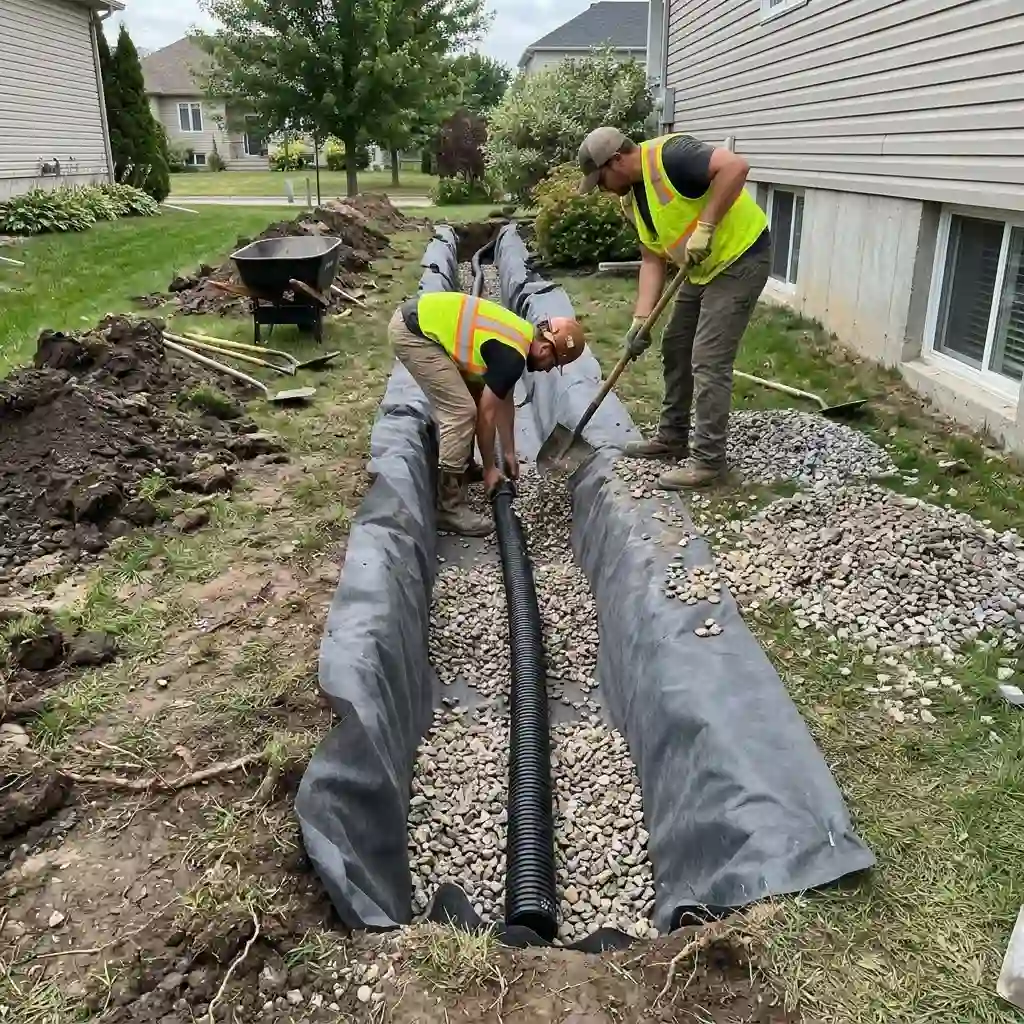
Professional installation begins with evaluating the property layout, grading, soil conditions, existing infrastructure, and water flow patterns. Contractors then determine which drainage components are appropriate for the site’s requirements. Installation may involve site preparation, fabrication, component placement, piping connections, system integration, and final testing.
OREBEND BLDRS INC focuses on custom drainage solutions for commercial, industrial, and large-scale infrastructure projects. The company works with durable materials and proven designs to build systems that handle weather exposure, traffic demands, and long-term site use. Its approach emphasizes precision and reliable water direction, collection, and disposal.
Because not every drainage problem requires a French Drain, choosing a contractor who can assess the complete site is important. The right solution may involve underground drainage, surface collection systems, or a combination of components.
Protect Your Bay Area Property With Reliable Drainage
Flood prevention begins with understanding how water moves across and beneath your property. A properly designed French Drain can help manage excess groundwater, reduce persistent moisture, limit erosion, and protect vulnerable building areas. For commercial and industrial sites, combining suitable drainage components can also help maintain safer and more dependable operating conditions.
OREBEND BLDRS INC provides custom drainage system design and installation, including trench drains, catch basins, grates, and piping systems for properties throughout the Bay Area. If your property experiences recurring water accumulation or drainage concerns, contact the team at (415) 218-6187 to discuss your project and determine which drainage solution may be appropriate.