Shops across the Bay Area rely on clean, dependable water for employees, customers, cleaning, and daily operations. Backflow Prevention is an important part of protecting a shop’s drinking water supply from contamination caused by unwanted reverse water flow. Plumbing connections, cleaning equipment, irrigation systems, and other water-using fixtures can create potential cross-connections if they are not properly protected. Installing the correct backflow prevention device helps reduce this risk and supports compliance with applicable water-system and plumbing requirements. For shop owners in San Francisco, San Jose, Oakland, and surrounding communities, understanding the installation process is an important step toward maintaining a safe and reliable commercial plumbing system.
Why Shops Need Backflow Prevention
Backflow occurs when water flows in the opposite direction from its intended path, potentially allowing contaminants to enter a clean water supply. This can happen because of a change in water pressure or a connection between potable water and a source that may contain pollutants.
For example, a shop may use water for equipment cleaning, outdoor irrigation, washdown areas, or specialized commercial processes. If a cross-connection is not adequately protected, contaminated water could potentially move back into the potable plumbing system.
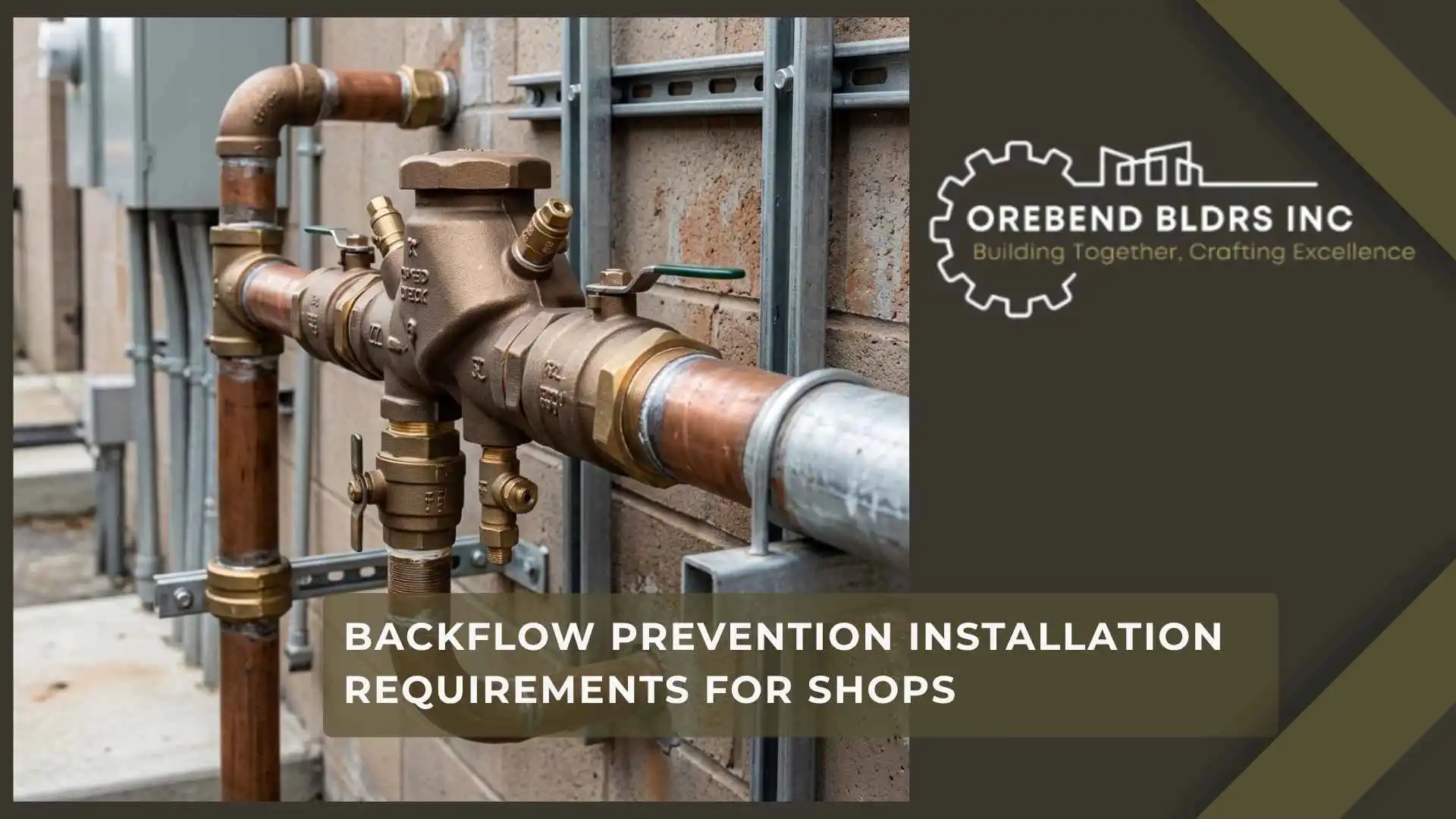
A properly selected backflow preventer helps protect against this hazard. The specific device required depends on the level of risk, the plumbing arrangement, and local water-provider or code requirements.
Not every shop has the same plumbing needs. A small retail store may have relatively simple water connections, while a workshop, food-related business, or commercial facility with specialized equipment may require additional protection. A professional assessment helps identify the risks and determine the appropriate solution.
Key Backflow Prevention Installation Requirements
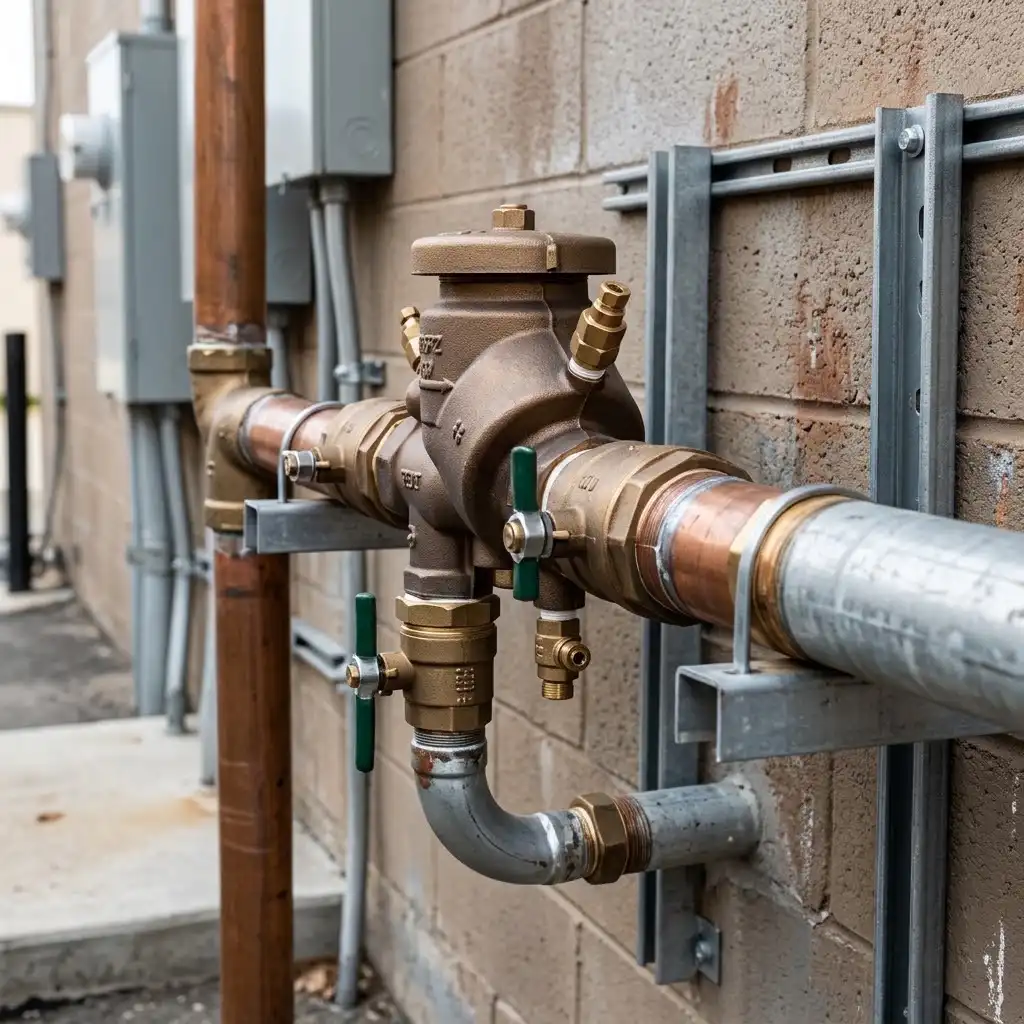
Backflow prevention installation involves more than connecting a device to a water line. The selected assembly must be appropriate for the identified hazard and installed according to the manufacturer’s instructions and applicable requirements.
Select an Approved Device
The first step is identifying the type and level of backflow risk. Depending on the circumstances, a property may require a double-check valve assembly, a reduced-pressure principle assembly, an air gap, or another approved form of protection.
The correct choice should be based on the assessed hazard and the requirements of the local water provider. A device that is suitable for one plumbing application may not provide sufficient protection for another.
Choose an Appropriate Installation Location
The device should be installed in an approved, accessible location that allows inspection, testing, and maintenance. Installers must also consider the surrounding piping, available clearance, exposure to weather, and the manufacturer’s installation requirements.
Some devices have specific orientation or drainage needs. Reduced-pressure assemblies, for example, require suitable arrangements for their relief discharge. The installation location must accommodate the selected device safely.
Follow Applicable Plumbing and Water-Provider Rules
Requirements can vary across Bay Area municipalities and water districts. A shop owner should confirm whether a permit, inspection, approved assembly, or other documentation is required before work begins.
In California, the State Water Resources Control Board’s Cross-Connection Control Policy Handbook establishes standards for backflow protection within public water systems. Local water providers administer their programs and may have additional procedures for individual properties.
Confirming the applicable requirements before installation helps reduce the risk of costly corrections or delays.
Understanding Backflow Prevention Testing and Maintenance
Installing a backflow prevention assembly is only part of protecting a shop’s water supply. The device must continue to function correctly after installation.
Testing requirements depend on the applicable program and device. In many Bay Area jurisdictions, required assemblies must be tested after installation and periodically thereafter, often at least annually. Testing and certification requirements should be confirmed with the local water provider.
A qualified backflow tester can check whether the assembly is operating correctly and identify problems that need attention. If the device fails a required test, repairs or replacement may be necessary, followed by any required retesting and documentation.
Shop owners should keep relevant installation records, test reports, repair details, and notices from their water provider. Organized records make it easier to track upcoming testing dates and demonstrate that required maintenance has been completed.
Common Installation Mistakes Shops Should Avoid
Improper installation can reduce a backflow preventer’s effectiveness and create unnecessary maintenance problems. Business owners should ensure that the contractor understands the intended application and the applicable local requirements.
Common mistakes include:
- Choosing the wrong assembly: A device that does not match the assessed hazard may provide inadequate protection.
- Ignoring clearance requirements: Restricted access can make testing, inspection, and repairs difficult.
- Installing the device incorrectly: Incorrect orientation or an unsuitable arrangement can interfere with proper operation.
- Overlooking drainage needs: Some assemblies require appropriate discharge arrangements to manage water released during operation.
- Skipping required testing: An installed device should not be assumed to work correctly without the required verification.
- Neglecting future maintenance: Leaving no practical access for service can create avoidable complications later.
Professional installation helps address these concerns before they affect the plumbing system. It also gives shop owners a clearer understanding of the equipment installed and the maintenance it will require.
How Backflow Prevention Supports Shop Operations
Water contamination is not the only concern associated with poorly managed plumbing connections. Installation problems and neglected devices can also lead to unexpected service interruptions, repair work, and compliance issues.
A suitable backflow prevention system helps protect the water supply while allowing the shop’s plumbing to function as intended. For businesses that depend on water for cleaning, equipment, customer facilities, or production activities, dependable plumbing supports day-to-day operations.
Planning installation work carefully can also minimize disruption. A contractor can review the existing piping, discuss access requirements, and coordinate the work around the property’s operational needs where practical.
When Should a Shop Upgrade Its Backflow Prevention System?
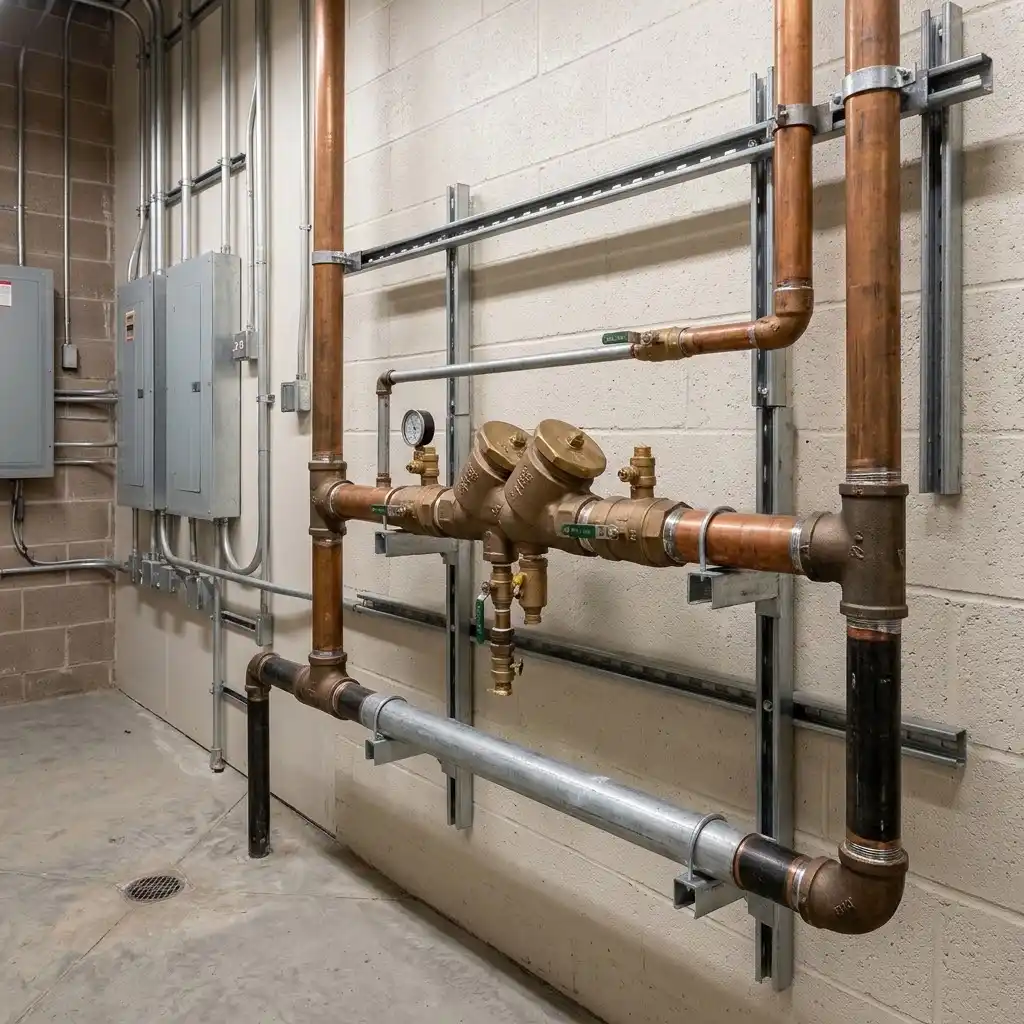
An existing assembly may need professional attention when a shop changes its operations, modifies its plumbing, adds water-connected equipment, or receives a notice from its water provider.
Other reasons to arrange an assessment include visible leaks, physical damage, failed testing, recurring pressure concerns, or uncertainty about whether the installed device meets current requirements.
A change in tenancy can also matter. A new business operating in an existing commercial space may introduce different equipment or plumbing connections that affect the property’s cross-connection risks. Owners and tenants should confirm whether the new use requires a revised assessment or additional protection.
Do not replace or relocate a backflow assembly based on appearance alone. A qualified professional can review the existing installation, identify any deficiencies, and recommend the appropriate next steps.
Choose Orebend Bldrs Inc for Backflow Prevention Services
Backflow prevention is an important responsibility for shops that need to protect their water supply and maintain dependable commercial plumbing. Choosing an appropriate device, following local requirements, arranging proper testing, and keeping up with maintenance all contribute to a safer water system.
Orebend Bldrs Inc provides backflow prevention services for commercial and industrial facilities across the Bay Area, including San Francisco, San Jose, San Rafael, Santa Clara, Sunnyvale, Oakland, Berkeley, and Modesto. Its services include installation, inspection, testing, repairs, and system replacement when needed.
Whether you are setting up a new shop, modifying an existing plumbing system, or addressing a backflow compliance notice, Orebend Bldrs Inc can help assess your requirements and discuss suitable solutions.
Call (415) 218-6187 or visit the company’s Backflow Prevention service page to discuss your project and request a quote.
A properly selected, installed, and maintained backflow prevention system helps protect the water supply and supports the reliable operation of your shop’s plumbing for the long term.