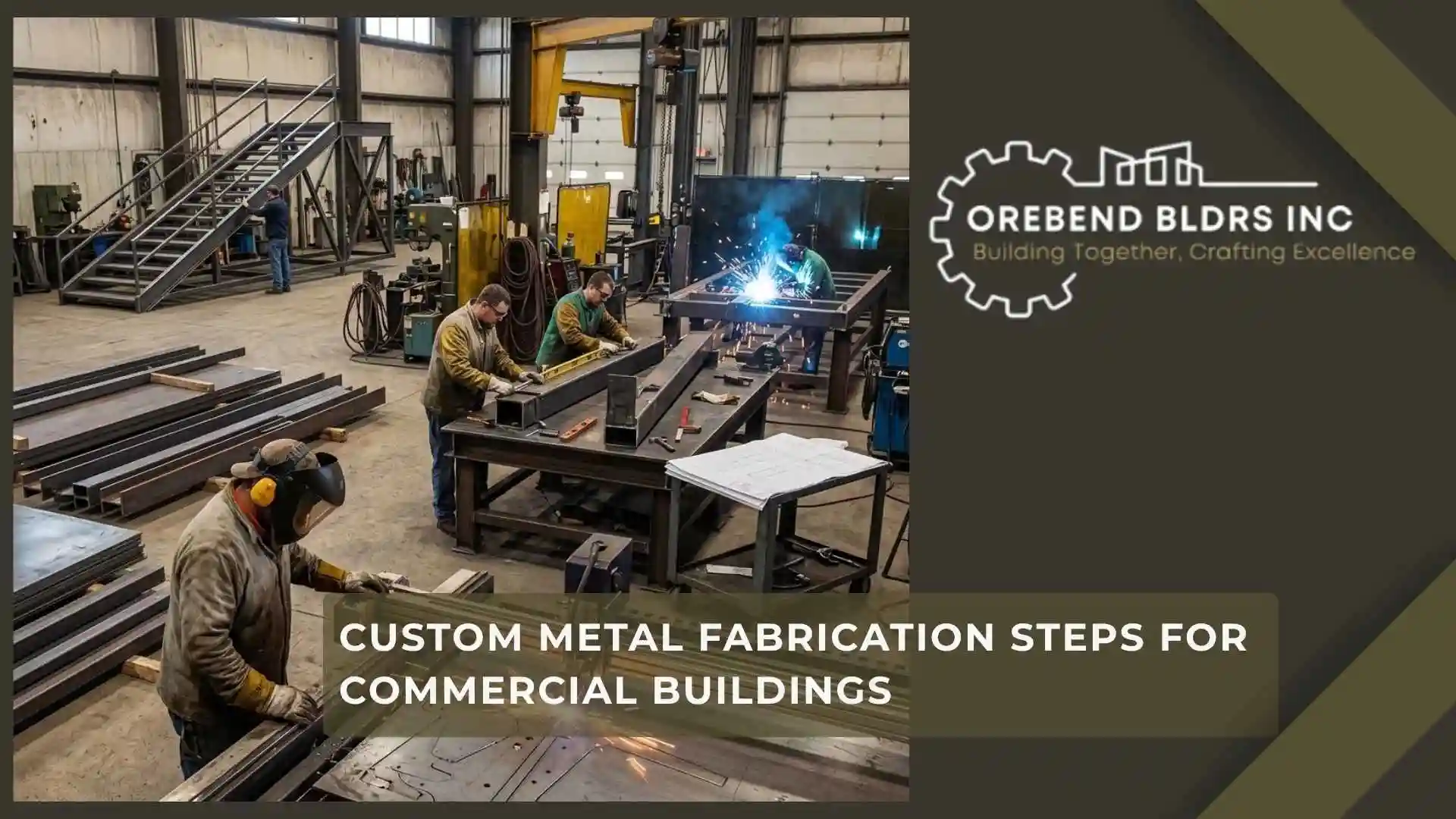
Commercial buildings often require metal components that cannot be solved with standard, off-the-shelf products. From structural assemblies and frames to brackets, enclosures, stairs, platforms, and specialty equipment, every project may have different dimensions and performance requirements. Custom Metal Fabrication provides a practical way to create components specifically around the building, application, and project specifications.
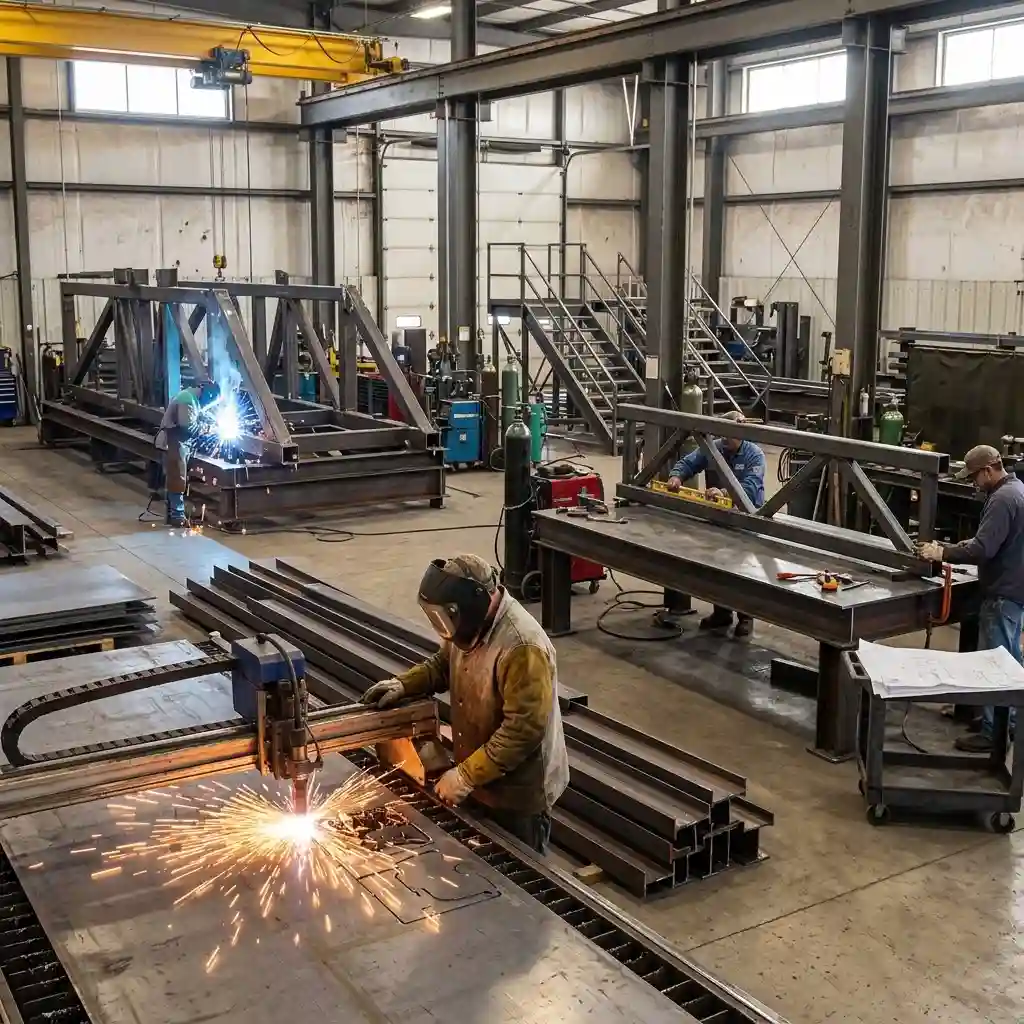
For commercial projects in the Bay Area, OREBEND BLDRS INC provides custom metal fabrication using materials such as steel, stainless steel, aluminum, and other metals. The company handles fabrication in-house and also provides welding and on-site services, helping commercial and industrial clients move from project requirements to finished metalwork with professional attention to precision and reliability.
Why Custom Metal Fabrication Matters in Commercial Buildings
Commercial construction rarely follows a one-size-fits-all approach. Existing structures, architectural designs, equipment layouts, access requirements, and building dimensions can all affect the type of metalwork needed.
Custom fabrication allows metal components to be designed around those conditions instead of forcing a standard component into an unsuitable space.
A commercial building may require custom:
- Structural frames
- Brackets and supports
- Metal enclosures
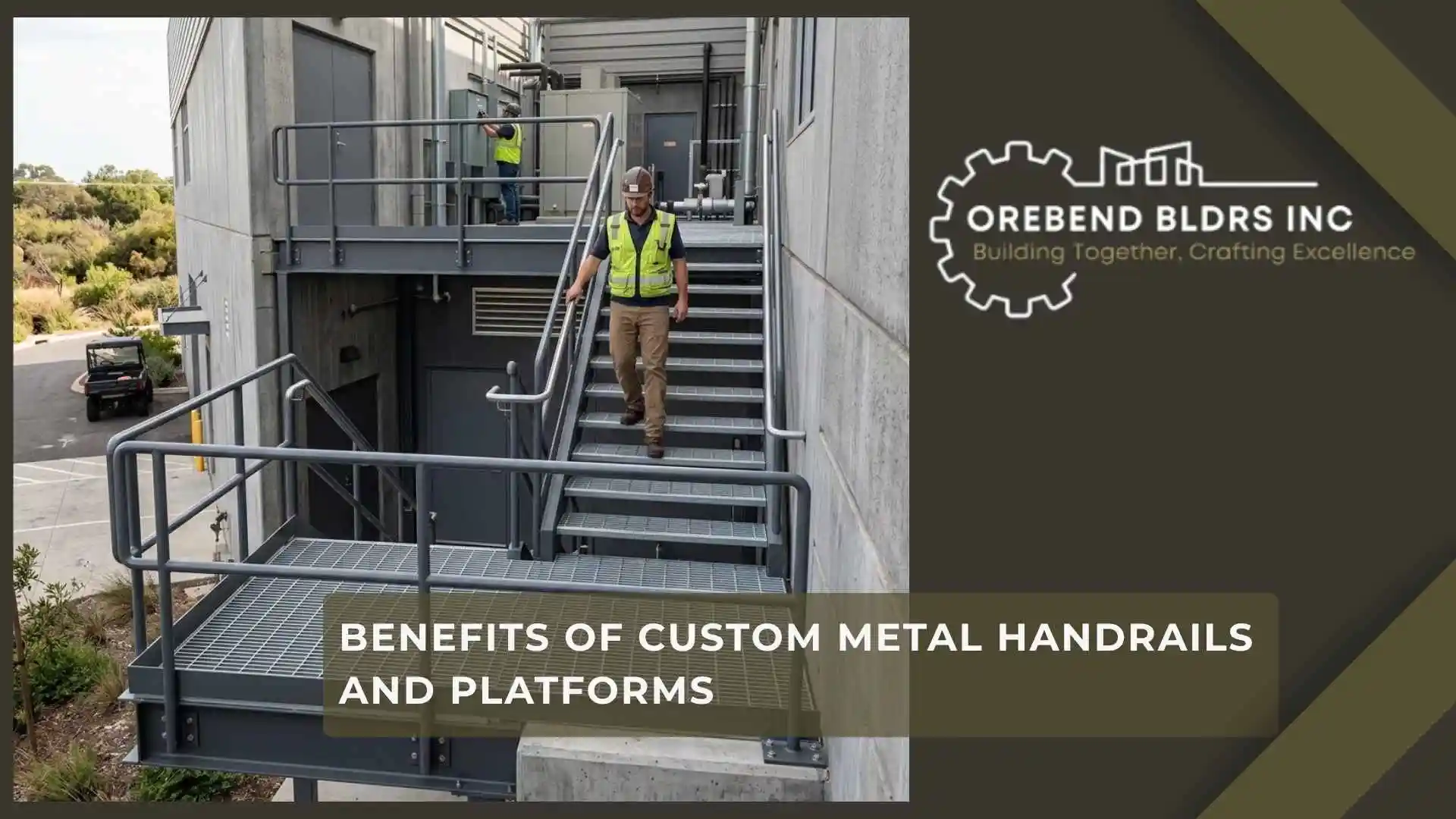
- Stairs and platforms
- Handrails
- Storefront components
- Gates and access systems
- Specialty equipment
- Piping components
- Structural assemblies
The right fabrication process helps ensure that each component is created according to the project’s intended function, dimensions, and specifications.
Step 1: Understand the Commercial Project
The first step in Custom Metal Fabrication is understanding what the commercial project actually requires.
A professional fabricator needs to review the intended application, dimensions, location, materials, installation requirements, and project timeline. This helps determine whether the job requires a single custom component or a larger fabrication system.
Orebend Bldrs works with commercial and industrial clients on projects ranging from custom structural pieces to specialized metalwork. The company also handles welding, pipe fitting, torch cutting, and plasma cutting, allowing different fabrication requirements to be addressed through one experienced team.
Job Story: Turning a Building Requirement Into Metalwork
Consider a commercial property that needs a specialized steel assembly to support a particular area of the building. A standard component may not match the available dimensions or connection points.
Instead of modifying an unsuitable product, a professional fabricator can review the requirements, determine the appropriate material and dimensions, create the necessary components, and prepare them for installation.
That approach can make the finished solution more practical for the building and its intended use.
Step 2: Select the Right Metal
Material selection is another important part of the fabrication process.
Different commercial applications can require different characteristics. Steel may be selected for strength and structural applications, while stainless steel can be useful where durability and resistance to corrosion are important. Aluminum can also be appropriate for projects where its material characteristics fit the application.
Orebend Bldrs works with steel, stainless steel, aluminum, iron, copper, and other metals depending on project requirements.
The correct material should be selected based on the component’s function, environment, design, and expected use rather than simply choosing the most common option.
Step 3: Create the Fabrication Plan
Once the requirements and material have been established, the fabrication team can develop the plan for producing the component.
This stage focuses on measurements, dimensions, cuts, connections, weld locations, and the overall construction of the piece. Digital blueprints and other technical resources can help fabricators maintain consistency throughout the project.
Careful planning is particularly important for commercial work because fabricated components may need to connect with existing structures, equipment, piping, or other building systems.
An accurate fabrication plan can also reduce unnecessary adjustments during installation.
Step 4: Cut and Shape the Metal
The next stage involves preparing the selected metal according to the required dimensions.
Depending on the project, this may involve torch cutting, plasma cutting, machining, forming, or other fabrication techniques. The goal is to create individual pieces that can eventually be assembled into the finished component.
Precision matters at this stage. Incorrect measurements or poorly prepared edges can create problems later when components are welded or installed.
Professional Custom Metal Fabrication keeps the entire process focused on the specifications established during planning.
Step 5: Weld and Assemble the Components
After the individual pieces are prepared, they can be assembled and welded.
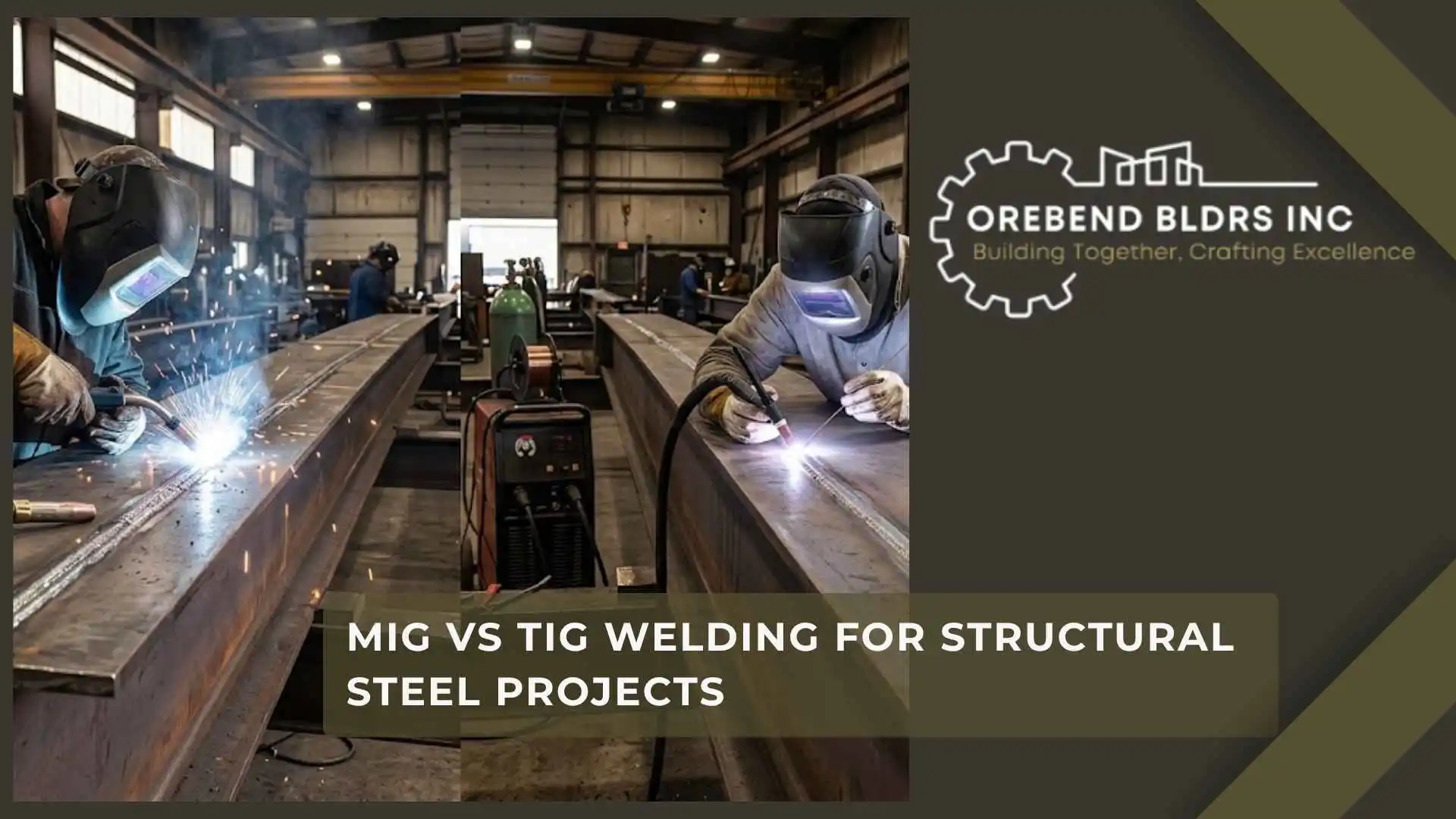
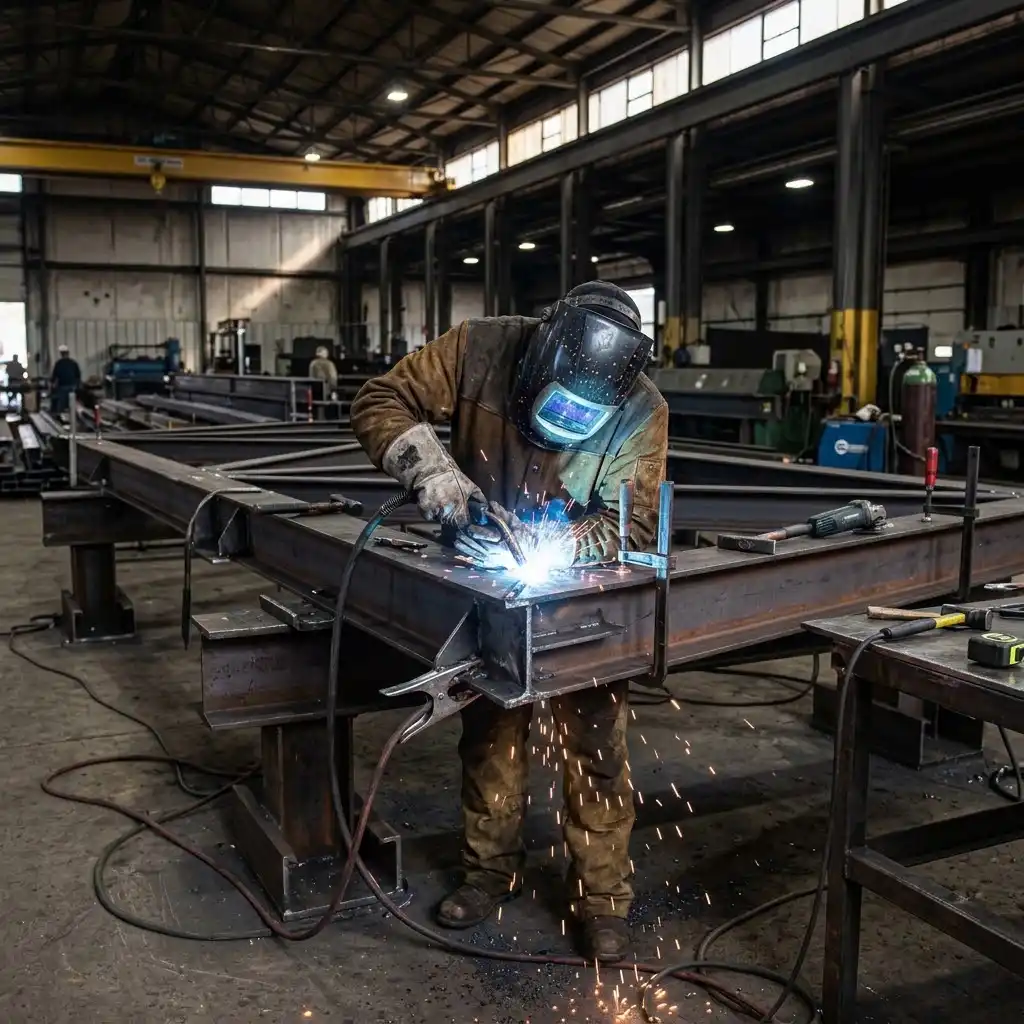
Orebend Bldrs provides multiple welding capabilities, including MIG, TIG, Stick, certified welding, and certified structural steel welding. The appropriate method depends on the material, application, and project requirements.
Experienced welding is especially important for commercial projects involving structural components or frequently used metal assemblies. Properly executed welds contribute to the strength, stability, and reliability of the finished fabrication.
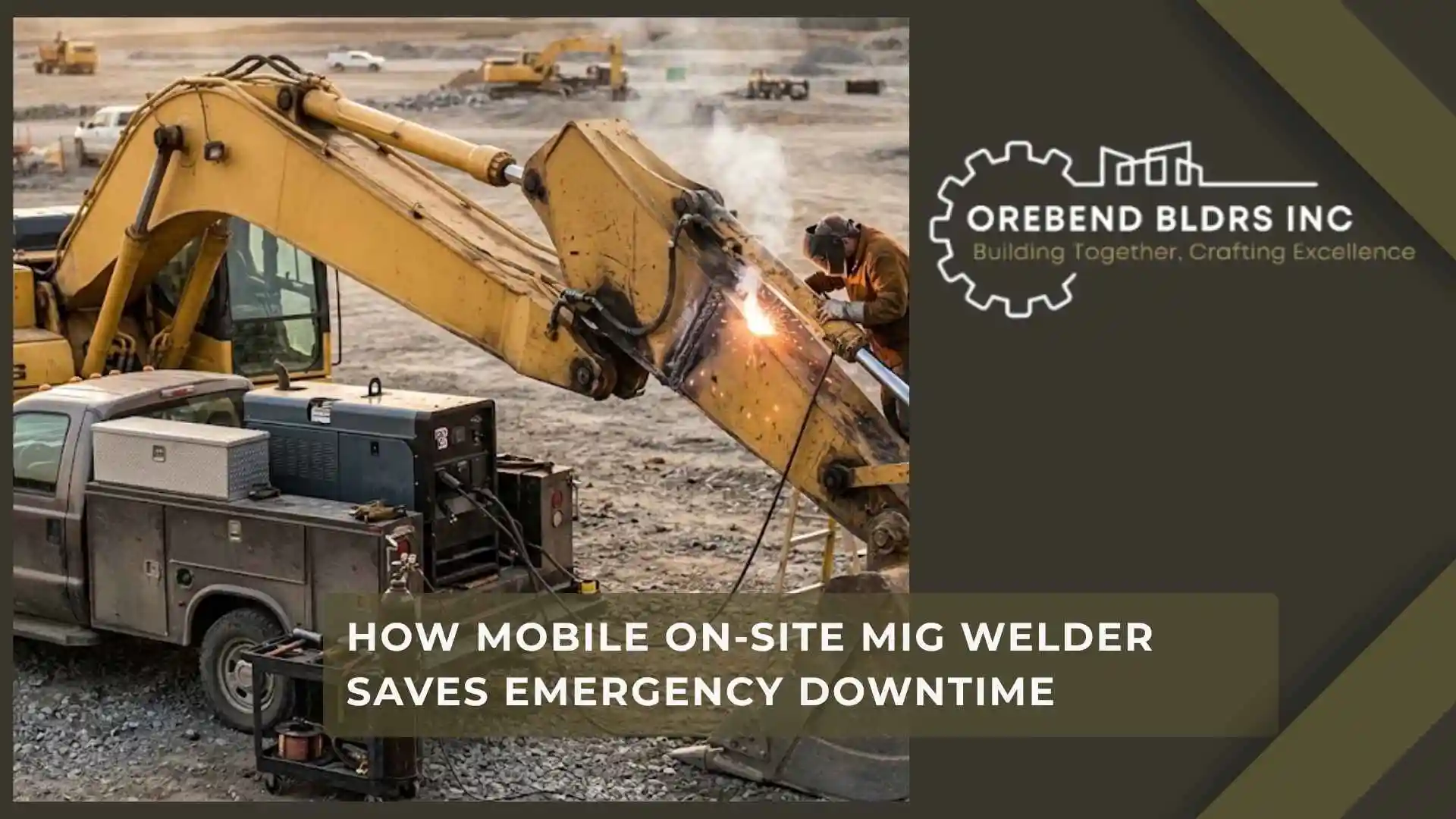
For some projects, fabrication can take place in a shop. For others, mobile welding and on-site fabrication may be more practical.
Step 6: Inspect the Finished Fabrication
Before installation, the finished component should be reviewed against the original project requirements.
This includes checking dimensions, welds, connections, overall construction, and other important details. Quality control is essential because even a small dimensional issue can make installation more difficult.
Orebend Bldrs emphasizes precision, safety, quality, and customer satisfaction throughout its fabrication and welding work. Its technicians use technical tools, digital resources, and job tracking to help maintain accuracy and consistency.
Step 7: Install the Metalwork
The final stage is installation.
Depending on the project, fabricated components may be installed at a commercial building by the fabrication team or coordinated with the construction team. Mobile welding and fabrication capabilities can be especially useful when modifications or welding work need to happen directly at the jobsite.
On-site expertise can also help address unexpected conditions that were not apparent during the initial fabrication stage.
For commercial buildings, proper installation is just as important as producing the component itself. A well-fabricated part still needs to be correctly positioned, connected, and finished for its intended application.
Professional Custom Metal Fabrication vs. Generic Metalwork
Commercial buildings benefit from fabrication that is designed around their actual requirements.
Generic metal components may not provide the right dimensions, connections, appearance, or functionality for a specialized commercial application. Professional Custom Metal Fabrication allows the project team to address those requirements from the beginning.
Orebend Bldrs provides both in-shop and on-site services and works across commercial and industrial sectors. Its capabilities include metal fabrication, structural welding, piping, torch cutting, plasma cutting, and specialized custom metalwork.
This broader range of services can be valuable when a commercial project involves several related metalworking requirements.
Why Choose Orebend Bldrs for Custom Metal Fabrication?
OREBEND BLDRS INC approaches fabrication with an emphasis on precision, safety, craftsmanship, and communication. The company works with a range of metals and provides solutions for commercial and industrial applications.
Its services extend beyond basic fabrication to include welding, piping, structural steel work, handrails, stairs and platforms, gates, and specialty metal components.
For commercial building projects, that combination can simplify the process of moving from an idea or project requirement to a finished metal solution.
Get Started With Your Commercial Metal Project
Every commercial building has different requirements, and the right metal solution should be designed around those needs. From a single custom bracket to a larger structural assembly, professional Custom Metal Fabrication can provide components built specifically for the project.
OREBEND BLDRS INC offers custom fabrication, welding, and related metalworking services for commercial and industrial clients. Contact the team at 415-218-6187 to discuss your project, requirements, and fabrication needs.
Frequently Asked Questions
What metals can be used for custom fabrication?
Orebend Bldrs works with materials including steel, stainless steel, aluminum, iron, and copper. Material selection depends on the project’s specifications and intended application.
Can custom metal fabrication be completed on-site?
Yes. Orebend Bldrs provides mobile welding and fabrication services for projects that require work directly at the commercial or industrial site.
What commercial components can be fabricated?
Custom fabrication can be used for brackets, frames, enclosures, structural assemblies, stairs, platforms, handrails, gates, storefront components, and other specialized metalwork.
Does Orebend Bldrs handle large commercial projects?
Yes. The company works with commercial and industrial clients and has experience with demanding projects involving structural repairs, piping, fabrication, and specialized metalwork.
How do I request a custom fabrication quote?
You can contact Orebend Bldrs at 415-218-6187 to discuss your project requirements and request a consultation or quote.