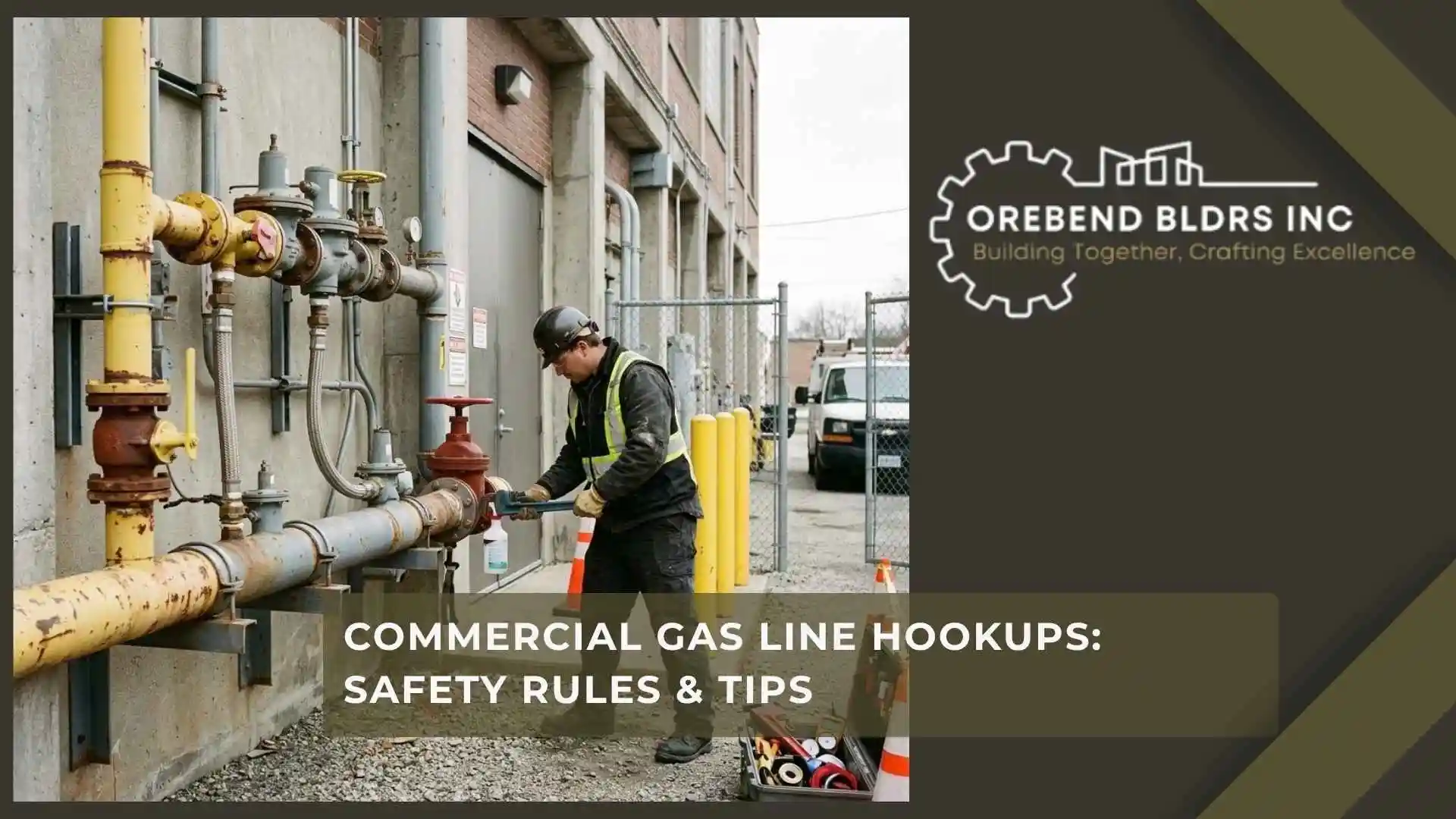
Commercial gas systems require carefully planned connections, appropriate piping materials, and professional installation to operate safely. Whether a business is installing new equipment, expanding a facility, or upgrading an existing system, a properly installed gas line helps support reliable operations while reducing the risk of leaks and equipment problems. For commercial and industrial properties in the Bay Area, safety must remain a priority throughout planning, routing, pressure testing, and final connections. Orebend Bldrs Inc provides professional commercial and industrial gas line hookup services, emphasizing precision, leak prevention, proper pressure ratings, and compliance with applicable regulations.
Why Commercial Gas Line Safety Matters
Commercial gas systems often supply equipment that businesses depend on every day. Restaurants, industrial facilities, processing plants, and other commercial operations may rely on gas-powered appliances, machinery, heating systems, or specialized equipment.
An improperly installed connection can create serious hazards. Gas leaks may result in fire, explosions, equipment damage, and dangerous exposure. Incorrect pressure ratings or unsuitable piping materials can also affect system performance.
Professional installation helps ensure that connections are designed for the intended application. Every component must be appropriate for the gas system, operating pressure, and environmental conditions.
Orebend Bldrs Inc approaches commercial and industrial gas hookups with attention to safe, code-compliant connections. Its service covers new equipment installations, facility expansions, and upgrades to existing gas lines.
Essential Safety Rules for Commercial Gas Line Hookups
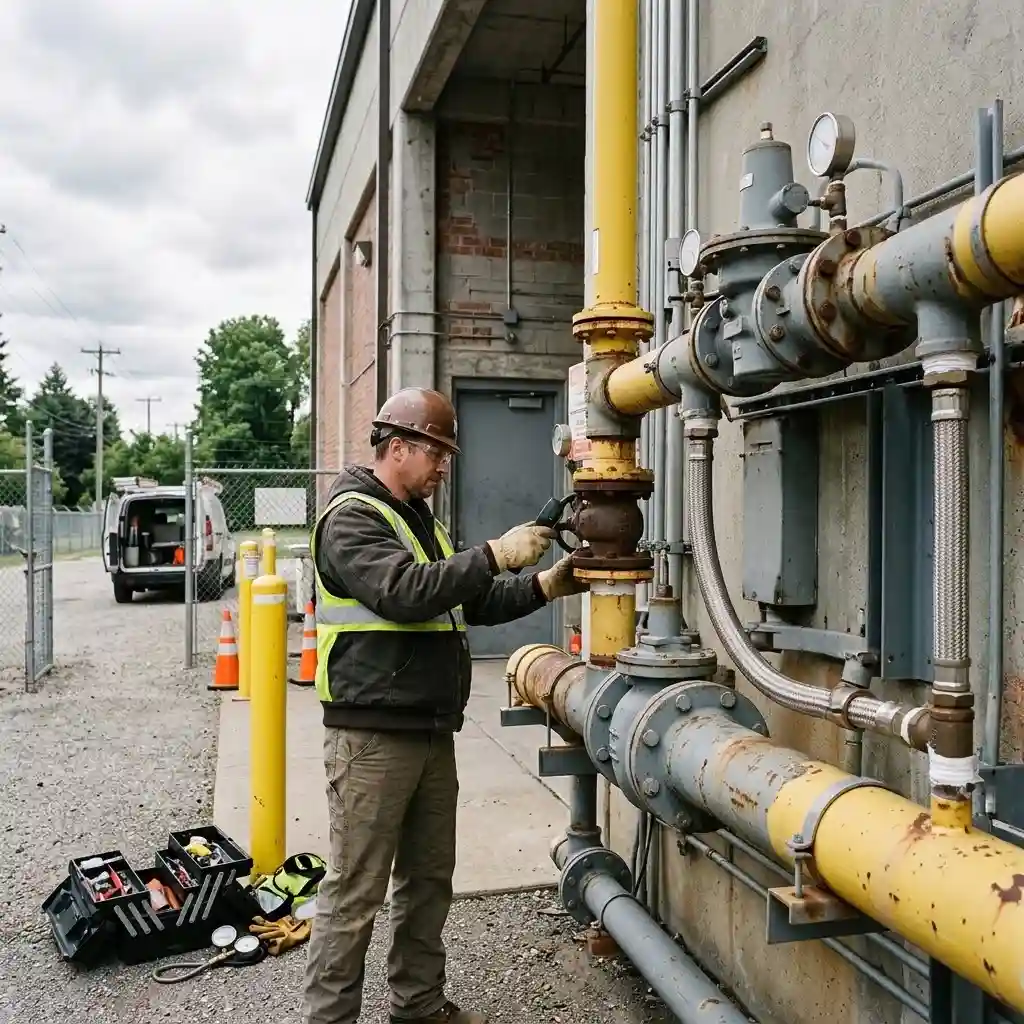
Gas line installation should never be treated as an ordinary plumbing project. It requires qualified professionals who understand applicable regulations, piping requirements, and gas-system safety procedures.
Several important principles help support safe commercial installations.
Use qualified professionals: Gas piping and connections should be handled by appropriately qualified and licensed professionals in accordance with local requirements. Businesses should not attempt unauthorized gas line modifications.
Select suitable piping materials: The piping material must be approved for the intended gas application, pressure, and installation environment.
Follow pressure requirements: Every connection and component must be rated for the system’s operating conditions. Incorrect pressure ratings can compromise safety and reliability.
Prevent leaks: Proper connections, suitable materials, and required testing help identify potential leakage before a system is placed into service.
Follow applicable codes: Commercial gas systems must comply with relevant local, state, and applicable national codes and regulations. Requirements can vary depending on the equipment and property.
Verify the completed installation: Testing and inspection should be completed according to applicable requirements before the system is put into operation.
These principles help businesses reduce avoidable risks and maintain dependable gas infrastructure.
Proper Planning Before Installing a Commercial Gas Line
A successful gas line hookup begins before installation work starts. The property’s requirements, equipment specifications, gas demand, and existing infrastructure all need to be evaluated.
The planning process should establish what equipment will connect to the system and how much gas it requires. The professional installer must consider the required capacity, operating pressure, piping route, connection points, and relevant safety clearances.
Facility expansions require additional attention. Existing piping may not have sufficient capacity to support new equipment, and simply extending an old line may not be appropriate.
Orebend Bldrs Inc handles commercial and industrial gas line projects from planning and routing through testing and final connection. This detailed approach helps ensure that the installation is designed around the facility’s requirements rather than relying on assumptions.
Choosing the Right Gas Piping Materials
Piping materials play an important role in the safety and durability of a commercial gas system. Different materials have different pressure ratings, installation requirements, and suitability for specific environments.
The appropriate choice depends on the gas type, system design, applicable codes, and location of the piping.
Professional installers evaluate material compatibility before beginning work. They also consider whether the piping will be installed indoors, outdoors, underground, or in an industrial environment.
Connections, fittings, supports, and protective measures must be suitable for the selected piping system. Using incompatible components can create weaknesses that affect long-term reliability.
Orebend Bldrs Inc works with a variety of gas systems and piping materials, prioritizing proper pressure ratings and leak prevention. Its broader piping and fabrication capabilities also support projects that require specialized installation and metalworking expertise.
Why Pressure Testing and Leak Prevention Are Important
A commercial gas line should not be considered ready for operation simply because all the connections appear complete. Required testing and inspection are essential parts of the installation process.
Pressure testing helps verify that a piping system can meet the applicable requirements without unacceptable pressure loss. Testing procedures must follow the relevant code, system specifications, and approved professional practices.
Leak prevention also depends on correct fittings, proper connections, compatible materials, and careful workmanship. Even a small installation defect can become a significant concern when a system is operating.
A professional installation process should include the required inspections and testing before final approval and operation. Any identified problem must be corrected and retested as required.
Orebend Bldrs Inc specifically highlights testing and final connection as part of its gas line installation process, with safety and leak prevention central to its approach.
Commercial Gas Line Hookups for Different Facilities
Gas line requirements vary considerably between commercial and industrial properties. The equipment, operating conditions, and gas demand of each facility influence the installation.
Commercial kitchens: Restaurants and food-service facilities may require gas connections for cooking equipment. Proper sizing, pressure requirements, and equipment compatibility are essential.
Industrial manufacturing: Manufacturing operations may depend on gas-powered machinery or specialized production equipment. Installations must account for operating demands and facility requirements.
Processing facilities: Gas piping projects in processing environments may involve complex routing, equipment connections, and coordination with existing industrial infrastructure.
Commercial building expansions: Businesses adding equipment or expanding operations may need modifications to their existing gas distribution systems. A professional assessment helps determine whether the current infrastructure can support the changes.
Each project requires a site-specific approach. The installation should be designed and verified according to the intended use and applicable safety requirements.
Common Commercial Gas Line Installation Mistakes to Avoid
Poor planning and improper installation can create problems that affect both safety and business operations. Understanding common mistakes helps property managers make better decisions when arranging gas line work.
- Ignoring equipment requirements: Gas connections must match the equipment’s specified pressure and capacity requirements.
- Using unsuitable materials: Piping and fittings must be compatible with the gas system and installation environment.
- Overlooking existing infrastructure: An older system may not have the capacity to support additional equipment.
- Skipping required testing: Connections must undergo the appropriate testing and inspection before operation.
- Making unauthorized modifications: Unqualified changes can compromise system safety and code compliance.
- Ignoring warning signs: Suspected gas leaks or unusual gas odors require immediate attention rather than continued operation.
If anyone suspects a gas leak, leave the affected area, avoid operating electrical switches or creating ignition sources, and contact the gas utility or emergency services from a safe location. Do not attempt to locate or repair the leak yourself.
Why Choose Orebend Bldrs Inc for Commercial Gas Line Hookups?
Commercial gas line projects require careful coordination, technical knowledge, and attention to safety. Orebend Bldrs Inc provides professional gas line hookup services for commercial and industrial systems throughout the Bay Area.
The company supports projects involving new equipment installations, facility expansions, and upgrades to existing lines. Its process includes planning, routing, testing, and final connections.
Orebend Bldrs Inc also specializes in pipe fitting, welding, metal fabrication, piping installation, and industrial piping work. Its technicians use digital blueprints, advanced tools, and real-time job tracking to support project accuracy and quality.
The company’s service area includes San Francisco, San Jose, San Rafael, Santa Clara, Sunnyvale, Oakland, Berkeley, and Modesto.
With an emphasis on reliable connections, appropriate pressure ratings, leak prevention, and regulatory standards, Orebend Bldrs Inc works to deliver gas hookup solutions suited to demanding commercial and industrial environments.
An Example of a Commercial Gas Line Upgrade
Imagine a Bay Area manufacturing facility planning to install additional gas-powered equipment. The existing gas system serves the current machinery, but management is unsure whether it can support the new equipment.
Instead of extending the existing piping without an assessment, the business arranges a professional evaluation. The installation team reviews equipment requirements, determines the necessary routing, evaluates compatible piping materials, and plans the connections. After installation, the system undergoes the required testing and inspection before being placed into operation.
This hypothetical example demonstrates why professional planning is essential. A properly evaluated installation can help prevent capacity issues, unsuitable connections, and avoidable safety risks.
Schedule Commercial Gas Line Services With Orebend Bldrs Inc
Safe gas connections are essential for commercial and industrial facilities. From installing new equipment to upgrading existing piping, every project requires appropriate materials, correct pressure ratings, professional workmanship, and required testing.
Orebend Bldrs Inc provides commercial and industrial gas line hookup services throughout the Bay Area. Its team focuses on precise installation, leak prevention, and connections designed to meet applicable regulatory requirements.
To discuss a commercial gas line project or request a consultation, contact Orebend Bldrs Inc.
Phone: (415) 218-6187
Email: jan.v@orebendbldrs.com
The company operates Monday through Friday, 7:00 AM to 5:00 PM, with emergency services available on weekends.
Frequently Asked Questions
1. Why should commercial gas line hookups be professionally installed?
Commercial gas systems involve pressure requirements, specialized piping, and potential fire and explosion hazards. Qualified professionals can plan, install, and test connections according to applicable safety requirements.
2. What should be checked before installing a commercial gas line?
The equipment’s gas demand, operating pressure, piping materials, connection points, routing, existing system capacity, and applicable code requirements should all be evaluated.
3. Why is pressure testing important for gas lines?
Required pressure testing helps verify the integrity of the piping system and identify potential problems before the system is placed into operation.
4. Can an existing commercial gas line be upgraded?
Yes. Existing systems may be modified or upgraded when a facility adds equipment or changes its operations. A professional assessment is necessary to determine whether the existing infrastructure can support the changes.
5. What should I do if I suspect a commercial gas leak?
Evacuate the affected area, avoid ignition sources and electrical switches, and contact the gas utility or emergency services from a safe location. Do not attempt repairs yourself.
6. Does Orebend Bldrs Inc provide industrial gas line hookup services?
Yes. Orebend Bldrs Inc provides gas line hookup services for both commercial and industrial systems, including new equipment connections, facility expansions, and existing line upgrades.