In the heart of the Bay Area’s thriving food manufacturing and restaurant industry, stainless steel welding plays a critical role in maintaining the highest standards of hygiene and performance. From food processing plants to commercial kitchens, food-grade stainless steel welding ensures every surface meets strict FDA and USDA compliance standards, preventing contamination and promoting food safety.
But not all welding services are the same. Food-grade applications require precision, cleanliness, and specialized welding techniques that only professional welders can deliver. Here’s everything Bay Area facility managers, restaurant owners, and manufacturers should know before starting a food-grade stainless steel welding project.
1. WHAT MAKES WELDING “FOOD-GRADE”?
Food-grade welding refers to a specialized process where stainless steel components are joined with ultra-smooth, contamination-free welds that meet strict sanitation standards.
Unlike standard metalwork, food-grade welding must:
- Prevent bacteria buildup: Welds must be smooth and crevice-free to stop food particles or moisture from accumulating.
- Resist corrosion: Only certain stainless steel alloys, like 304 or 316, are suitable for contact with food and cleaning agents.
- Withstand high temperatures and cleaning chemicals: Welds must endure regular sanitation processes using steam, acids, or caustic solutions without degrading.
Professional welders ensure that each joint meets food safety codes and operational durability standards that typical fabrication can’t achieve.
2. WHY STAINLESS STEEL IS THE TOP CHOICE FOR FOOD-GRADE WELDING
Stainless steel is the go-to material for food-related industries in the Bay Area, and for good reason. Its non-reactive, corrosion-resistant, and easy-to-clean properties make it perfect for applications involving direct or indirect food contact.
Key benefits include:
- Corrosion Resistance: Ideal for humid environments and cleaning with strong disinfectants.
- Hygienic Finish: The smooth, non-porous surface prevents microbial growth.
- Durability: Handles high heat, pressure, and constant use in kitchens or manufacturing lines.
- Aesthetic Appeal: Stainless steel maintains a sleek, modern look, perfect for open commercial kitchens in San Francisco or Oakland.
3. TIG WELDING: THE GOLD STANDARD FOR FOOD-GRADE APPLICATIONS
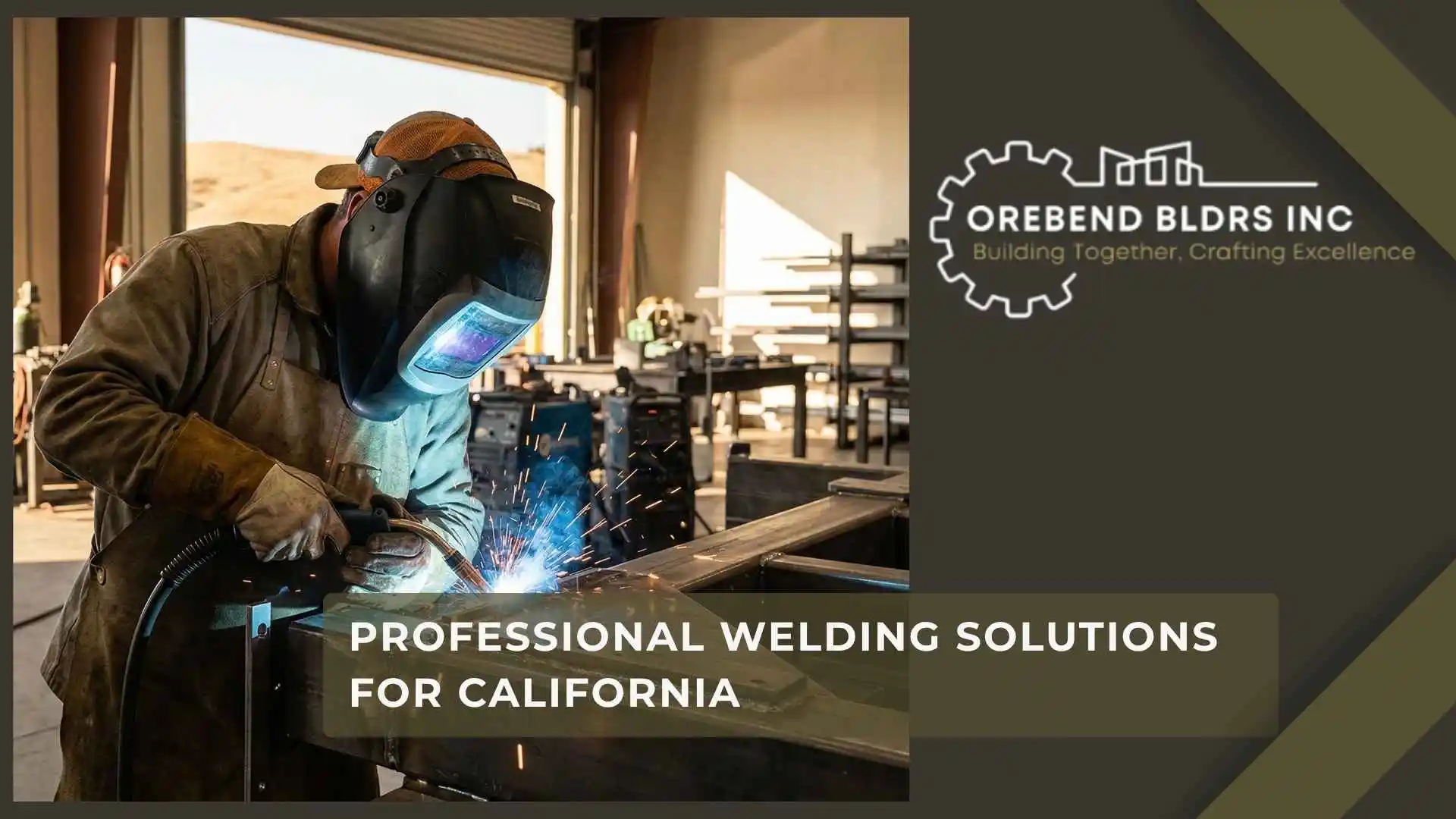
When it comes to food-grade stainless steel welding, TIG (Tungsten Inert Gas) welding is the industry’s top choice.
Here’s why:
- Precision: TIG allows for tight control over heat and filler material, resulting in seamless, high-quality welds.
- Clean Finish: No spatter or contaminants, essential for food safety.
- Strong and Sanitary: TIG welds produce smooth, polished seams that meet FDA and USDA sanitary requirements.

Professional welders often use argon shielding gas to ensure the weld remains pure, preventing oxidation or contamination during the process.
4. CHOOSING THE RIGHT STAINLESS STEEL GRADE
For Bay Area businesses in the food industry, not all stainless steel is created equal. The two most common types are:
- 304 Stainless Steel: The most widely used food-grade alloy, resists rust and oxidation under standard cleaning and food prep conditions.
- 316 Stainless Steel: A step above, this alloy includes molybdenum, giving it superior resistance to corrosive agents like salt and acidic foods. It’s perfect for coastal Bay Area environments where humidity and salt air can be a challenge.
If your facility handles seafood, sauces, or high-acid products, 316 stainless steel welding is highly recommended for long-term durability.
5. THE IMPORTANCE OF SURFACE FINISH AND POLISHING
Even the strongest weld can become a weak point if the surface isn’t properly finished. In food-grade applications, the smoothness of the final surface (measured by Ra, or Roughness Average) is critical to ensuring cleanliness.
Professional welders perform:
- Post-weld polishing to remove any burrs or rough spots.
- Passivation, a chemical treatment that restores stainless steel’s protective chromium oxide layer for enhanced corrosion resistance.
These finishing touches ensure the metal remains sanitary, smooth, and compliant with health regulations.

6. COMMON APPLICATIONS OF FOOD-GRADE WELDING IN THE BAY AREA
Food-grade stainless steel welding is used across a wide range of commercial and industrial facilities, including:
- Food and beverage manufacturing lines
- Commercial kitchens and restaurants
- Dairy and brewery systems
- Conveyor systems and packaging machinery
- Stainless steel sinks, countertops, and prep tables
- Piping systems for liquid transfer
Each project requires precise welding to maintain both functionality and hygiene. That’s why partnering with Bay Area welders specializing in food-grade applications is essential.
7. WHY DIY WELDING IS NEVER AN OPTION FOR FOOD-GRADE PROJECTS
While general welding might seem straightforward, food-grade applications require specialized expertise, certification, and clean environments.
DIY or inexperienced welding can lead to:
- Contaminated joints that harbor bacteria.
- Rough or uneven welds that fail health inspections.
- Material corrosion due to incorrect filler metals or heat treatment.
- Costly rework or replacement if welds don’t meet FDA or NSF standards.
Professional welders use clean-room techniques, proper shielding gases, and certified equipment to guarantee sanitary results, ensuring your food facility passes every health inspection.
8. BAY AREA STANDARDS AND COMPLIANCE REQUIREMENTS
Food facilities in the Bay Area must meet strict local, state, and federal health codes. Welding work must comply with:
- FDA and USDA sanitary standards
- 3-A Sanitary Standards for dairy and food equipment
- ASME (American Society of Mechanical Engineers) codes for pressure vessels and piping systems
Partnering with certified professionals ensures your project meets every compliance requirement and keeps your business audit-ready.
9. CHOOSING A RELIABLE STAINLESS STEEL WELDING PARTNER IN THE BAY AREA
When selecting a welding company for food-grade projects, look for:
- Experience in sanitary welding and fabrication
- Certified welders (ASME, AWS)
- State-of-the-art TIG equipment
- Proven portfolio in commercial kitchens, breweries, and food plants
- Commitment to safety and cleanliness
Your choice of welding partner directly affects your facility’s safety, efficiency, and regulatory compliance, so it’s worth investing in professionals with a solid track record in food-grade stainless steel work.
CONCLUSION: INVEST IN QUALITY FOR LONG-TERM PERFORMANCE
Food-grade stainless steel welding isn’t just about strong joints; it’s about ensuring food safety, durability, and compliance in every part of your operation.
In the Bay Area’s competitive food and manufacturing industry, high-quality welding protects your business from contamination risks, inspection failures, and costly downtime. By choosing experienced professionals who specialize in TIG welding and sanitary fabrication, you’re investing in a cleaner, safer, and more efficient facility.
CALL TO ACTION
If your business needs food-grade stainless steel welding in the Bay Area, trust the professionals who understand the importance of precision and sanitation. Contact OREBEND BLDRS today for expert stainless steel fabrication, TIG welding, and sanitary equipment installation tailored to FDA and USDA standards. Let’s build a cleaner, safer environment for your food operation.