Industrial facilities across the Bay Area rely on strong, stable platforms to support heavy equipment, storage systems, and elevated work areas. Whether you operate a warehouse, manufacturing plant, food processing facility, or distribution center, the right platform material directly impacts safety, efficiency, and long-term operating costs. So for Concrete vs. Steel Platforms:
One of the most common questions facility managers ask is: Should we choose a concrete platform or a steel platform? Both materials have advantages, and the right choice depends on your specific industrial needs. This guide breaks down the differences so Bay Area businesses can make an informed decision and invest in the platform solution that delivers the best performance and value.
A Real Bay Area Facility Challenge
A manufacturing company in South San Francisco recently expanded production and needed an elevated platform for new machinery. Their existing floor space was limited, and downtime had to be minimal.
After a professional site evaluation, engineers recommended a steel platform system that could be installed quickly without major foundation work. The result was a safe, code-compliant structure that increased usable space and supported heavy equipment without disrupting daily operations.
Situations like this are common across the Bay Area, where space efficiency and structural reliability are critical.
Why Industrial Platforms Matter
Industrial platforms provide:
- Safe access to elevated equipment
- Additional usable floor space
- Improved workflow and organization
- Compliance with safety and building codes
Choosing the right material ensures your platform can handle load requirements and environmental conditions.
Overview of Concrete Platforms
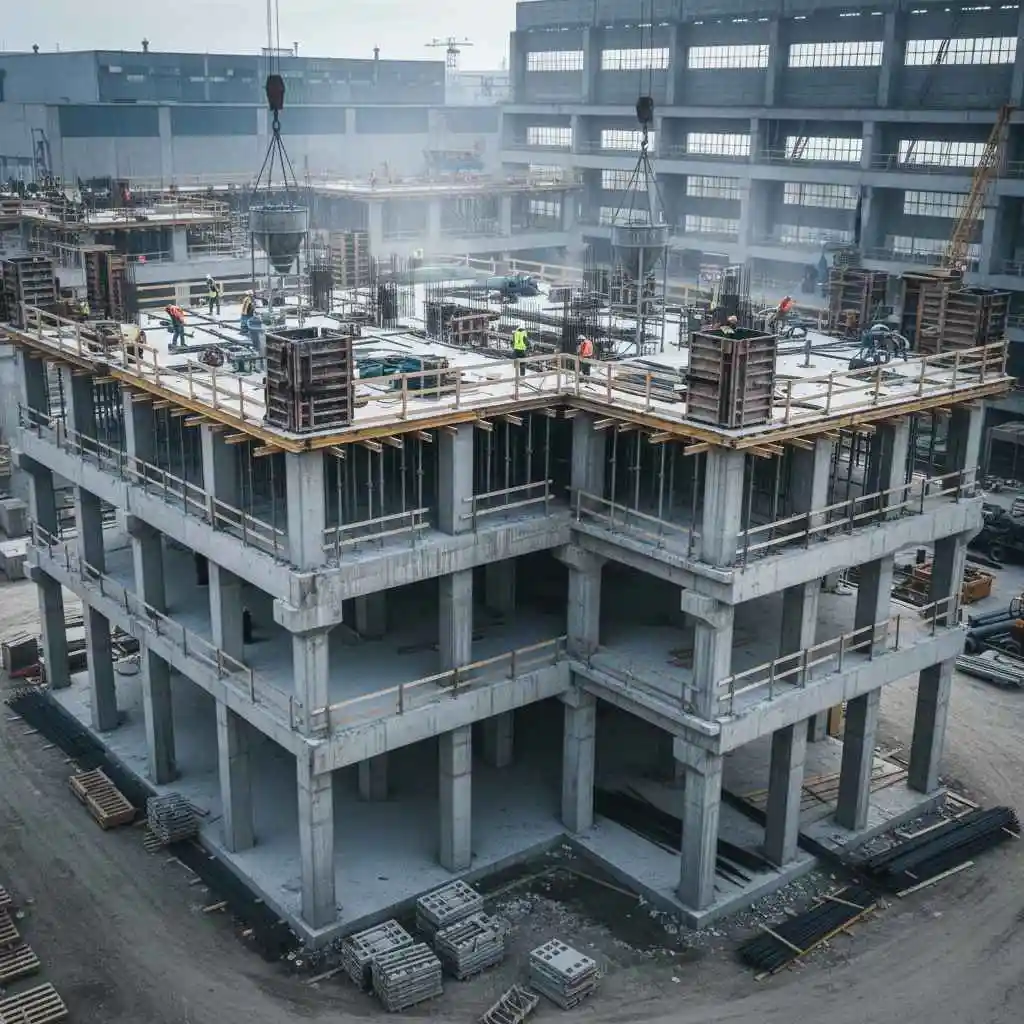
Concrete platforms are constructed using reinforced concrete slabs designed to support heavy loads and resist wear.
Key Benefits of Concrete Platforms
- Exceptional load-bearing capacity
- High resistance to fire and heat
- Long lifespan with minimal structural movement
- Good vibration dampening
Concrete platforms are often chosen for permanent installations where heavy static loads are present.
When Concrete Platforms Are a Smart Choice
Concrete platforms work well in facilities that require:
- Support for extremely heavy machinery
- Resistance to high temperatures
- Permanent floor-level or raised slab installations
- Strong vibration control
They are commonly used in manufacturing plants, power facilities, and heavy industrial environments.
Limitations of Concrete Platforms
While durable, concrete platforms also have drawbacks:
- Longer installation time
- Higher labor and material costs
- Limited flexibility once installed
- More disruptive construction process
For fast-growing Bay Area facilities, these limitations can be significant.
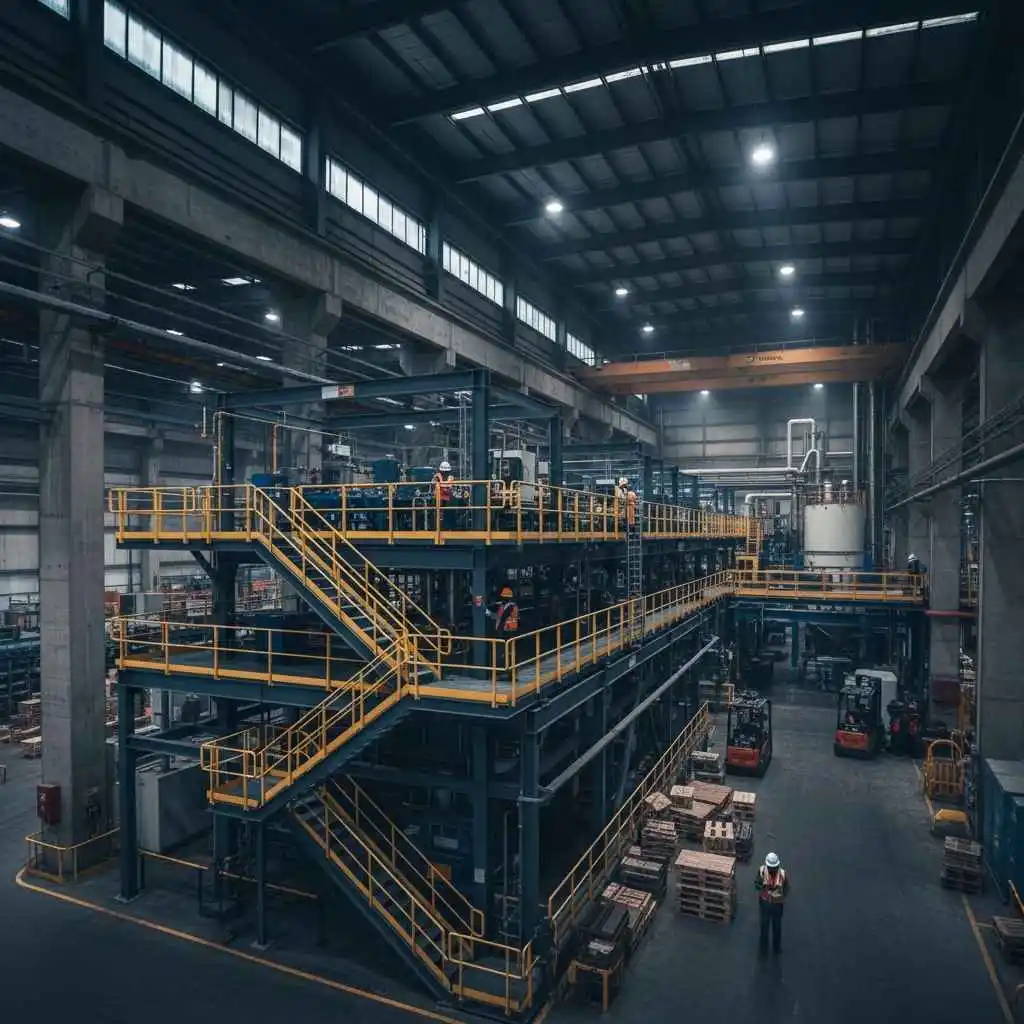
Overview of Steel Platforms
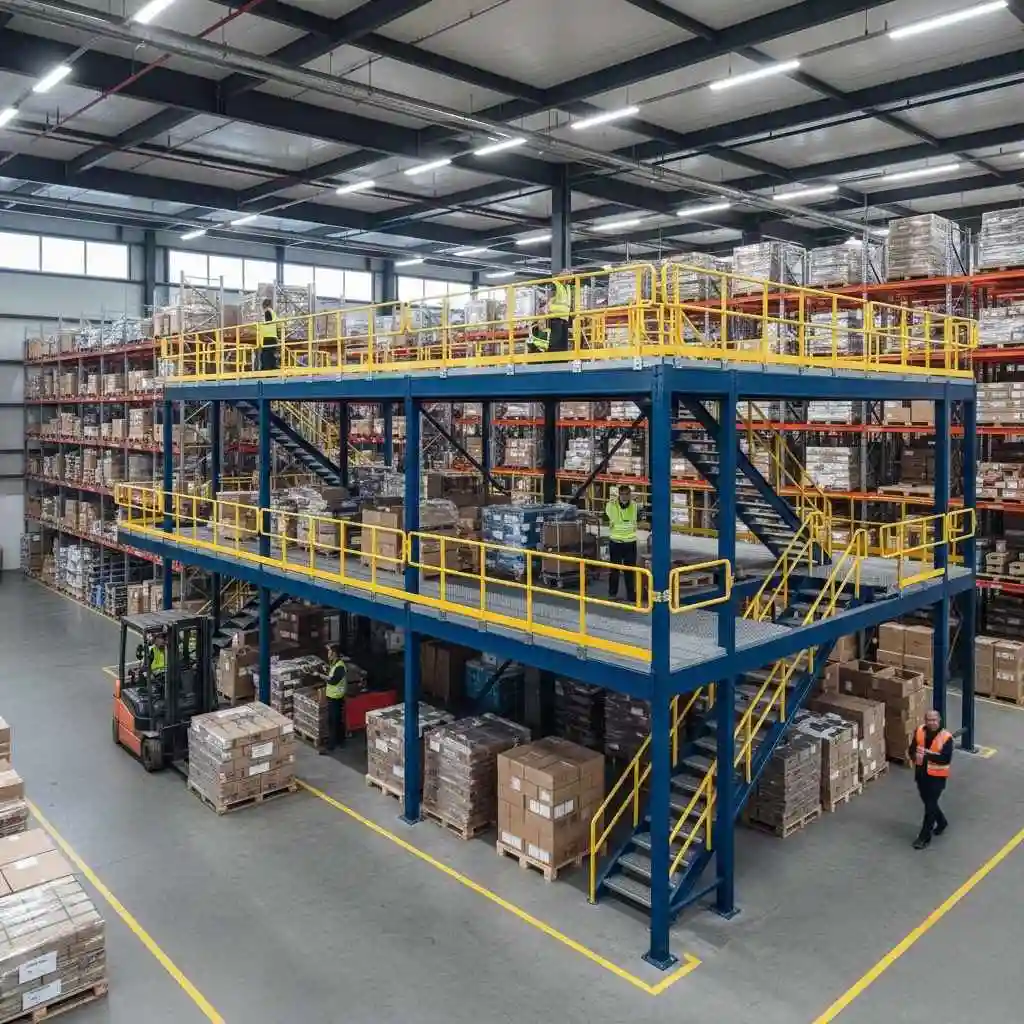
Steel platforms use structural steel framing combined with decking systems to create strong, modular structures.
Key Benefits of Steel Platforms
- Faster installation
- Lighter weight than concrete
- Modular and customizable
- Easier to modify or relocate
Steel platforms are popular in warehouses and distribution centers where adaptability matters.
When Steel Platforms Are the Better Option
Steel platforms are ideal when you need:
- Quick installation
- Minimal disruption to operations
- Future expansion or reconfiguration
- Elevated work areas or mezzanines
They offer excellent strength-to-weight ratio and versatility.
Comparing Load Capacity
Both concrete and steel platforms can be engineered for heavy loads. The difference lies in design approach:
- Concrete handles heavy static loads naturally
- Steel relies on engineered framing and bracing
Professional design ensures either option meets your load requirements.
Cost Considerations for Bay Area Businesses
Concrete platforms often have higher upfront costs due to labor and materials. Steel platforms may cost less initially and save money through faster installation and reduced downtime.
Long-term value depends on intended use, lifespan, and maintenance needs.
Installation Time Differences
Concrete: Days to weeks, including curing time
Steel: Often installed within days
For facilities operating around the clock, steel platforms minimize business disruption.
Maintenance and Longevity
Concrete platforms require minimal maintenance but may develop cracks over time.
Steel platforms need periodic inspections for corrosion or wear, especially in coastal Bay Area environments.
Both can last decades with proper care.
Safety and Code Compliance
Professional installation ensures:
- Proper load calculations
- Guardrails and fall protection
- Slip-resistant surfaces
- Compliance with local building codes
Safety should always be a top priority.
Which Platform Is Right for Your Facility?
The best choice depends on:
- Load requirements
- Budget
- Timeline
- Future expansion plans
- Environmental conditions
A professional site evaluation is essential.
Why Bay Area Facilities Choose Professional Platform Installation
Local industrial contractors understand Bay Area building codes, seismic considerations, and operational challenges. They deliver solutions that are safe, durable, and customized.
Final Thoughts
Concrete and steel platforms each serve important roles in industrial environments. By understanding their strengths and limitations, Bay Area businesses can select a platform solution that supports productivity, safety, and long-term growth.
Call to Action
Planning an industrial platform project in the Bay Area? Call today, schedule a site evaluation, or request a quote for professional concrete or steel platform installation. Get the right solution built for your facility’s needs.